
| Author(s) | |
|---|---|
| Publisher | |
| Publication Year |
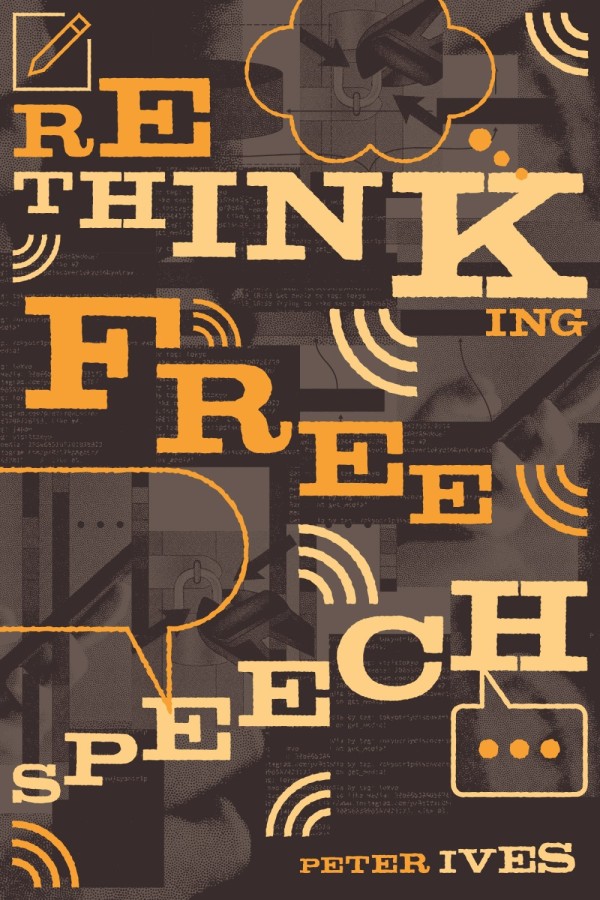
Rethinking Free Speech
Clashes over free speech rights and wrongs haunt public debates about the state of democracy, freedom and the future. While freedom of speech is recognized as foundational to democratic society, its meaning is persistently misunderstood and distorted. Prominent commentators have built massive platforms around claims that their right to free speech is being undermined. Critics of free speech correctly see these claims as a veil for misogyny, white-supremacy, colonialism and transphobia, concluding it is a political weapon to conserve entrenched power arrangements. But is this all there is to say? Rethinking Free Speech will change the way you think about the politics of speech and its relationship to the future of freedom and democracy in the age of social media. Political theorist Peter Ives offers a new way of thinking about the essential and increasingly contentious debates around the politics of speech. Drawing on political philosophy, including the classic arguments of JS Mill, and everyday examples, Ives takes the reader on a journey through the hotspots of today’s raging speech wars. In its bold and careful insights on the combative politics of language, Rethinking Free Speech provides a map for critically grasping these battles as they erupt in university classrooms, debates around the meaning of antisemitism, the “cancelling” of racist comedians and the proliferation of hate speech on social media. This is an original and essential guide to the perils and possibilities of communication for democracy and justice.
Contributors
Peter Ives
Peter Ives is professor of political science at the University of Winnipeg. He is the author of Gramsci’s Politics of Language and Language and Hegemony in Gramsci, and co-editor of Gramsci, Language and Translation and Language Policy and Political Theory. He has published in Rethinking Marxism, Political Studies, Critical Review of International Social and Political Philosophy and Language Policy. He researches and writes on the politics of “global English” and bridging the disciplines of language policy and political theory. He has contributed articles to The Conversation on free speech and academic freedom, was on the editorial board of Rethinking Marxism for a decade and was on the editorial collective of Arbeiter Ring Press for many years.