
Author(s)

Publisher

Publication Year

ISBN: 9781550657081

Categories:

 
View more details about this title on the publisher's website:

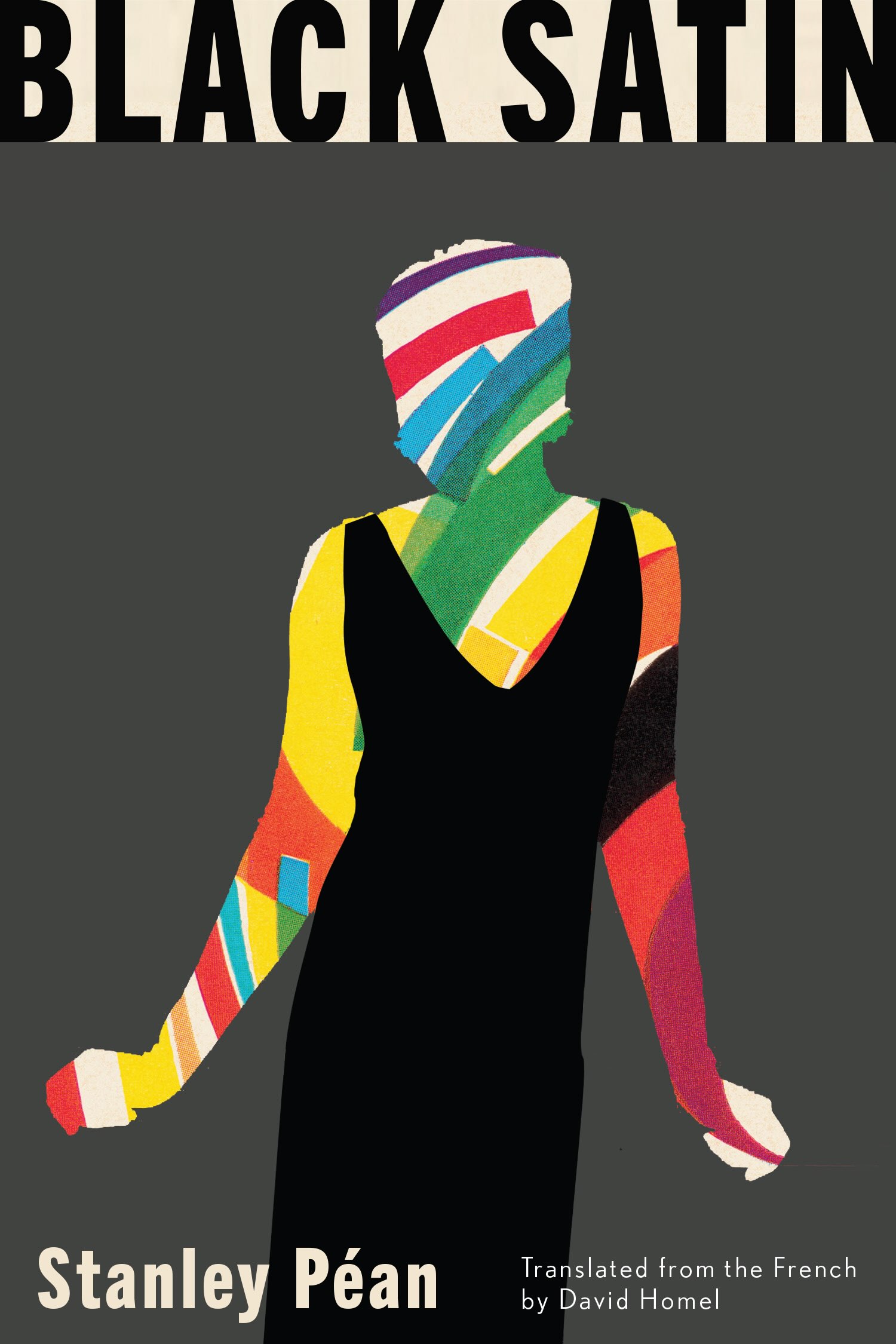
Black Satin

New!

The elegant portraits in this book, as the author says, “uncover the lives of women jazz artists who have been unfairly neglected, underestimated, even cancelled by the leading historians of jazz–most of them men.” Pianists, singers, composers, harpists, trumpeters, they gave their all to this music born from the experience of Black people in America. Stanley Péan shines a light on fifteen women musicians who may have known their share of glory during their lifetime, but who have since been relegated to the footnotes of jazz history, despite what they brought to it, individually and collectively. In these essays, Ma Rainey, Lillian Hardin Armstrong, Valaida Snow, Hazel Scott, Mary Lou Williams, Bessie Smith, Dorothy Donegan, Dorothy Ashby, Ina Ray Hutton, Clora Larea Bryant, Melba Liston, Jutta Hipp, Shirley Scott, and Geri Allen reclaim their rightful place.

Contributors

Stanley Péan

Stanley Péan is the author of eight novels and seven short story collections. He has been piloting “Quand le jazz est là” every week night on ICI Musique, Radio-Canada’s all-music radio network for the last thirteen years.


Chapter Contributors Pages Year Price
In this introduction, Péan examines how women composers have been erased from music history.
5 $0.50
In this chapter, Péan examines the life and legacy of Ma Rainey, the "Mother of the Blues," and the cultural significance of the genre in early twentieth-century America.
11 $1.10
In this chapter, Péan explores the largely overlooked contributions of Lillian Hardin Armstrong and Lovie Austin to 1920s jazz.
11 $1.10
In this chapter, Péan traces the life and art of Bessie Smith, the Empress of the Blues.
13 $1.30
In this chapter, Péan traces the life of Valaida Snow (1904–1956), an African-American jazz trumpeter who captivated audiences from Harlem to Shanghai in the 1920s and 1930s.
9 $0.90
In this chapter, Péan traces the life and legacy of pianist and composer Mary Lou Williams (1910–1981), whose career spanned the swing era through the bebop period.
11 $1.10
In this chapter, Péan examines Hazel Scott, a Trinidadian-born pianist, civil rights advocate, and the first Black artist to host a television show in the United States.
9 $0.90
In this chapter, Péan traces the musical career of Dorothy Donegan, a Chicago pianist born in 1922 who bridged classical and jazz with extraordinary facility.
11 $1.10
In this chapter, Péan explores the life and music of Dorothy Ashby, the Detroit-born jazz harpist.
12 $1.20
In this chapter, Péan examines the life and career of Ina Ray Hutton, a Chicago-born bandleader who rose to fame in the 1930s and led all-female and all-male orchestras through the 1950s.
11 $1.10
In this chapter, Péan traces the life of Clora Bryant, a trailblazing African-American jazz trumpeter from Los Angeles.
11 $1.10
In this chapter, Péan traces the extraordinary career of Melba Doretta Liston, a trombonist and arranger who navigated racism and sexism in twentieth-century jazz.
10 $1.00
In this chapter, Péan follows Jutta Hipp, a German jazz pianist born in Leipzig in 1925, tracing her life from the Nazi era through the mid-1950s.
11 $1.10
In this chapter, Péan traces the career of Shirley Scott, a Philadelphia-born organist and pianist who helped define soul jazz in the 1950s and beyond.
10 $1.00
In this chapter, Péan traces the life and musical legacy of Geri Antoinette Allen (1957–2017), a Detroit-born pianist and bandleader whose four-decade career spanned the m-Base …
9 $0.90
In this chapter, Péan explores how Harriet Tubman, born into slavery in the early 1820s in Maryland, has endured as a cultural icon of freedom.
10 $1.00
This "chapter" is a bibliography.
2 $0.20