
| Author(s) | |
|---|---|
| Publisher | |
| Publication Year |
Boomtown
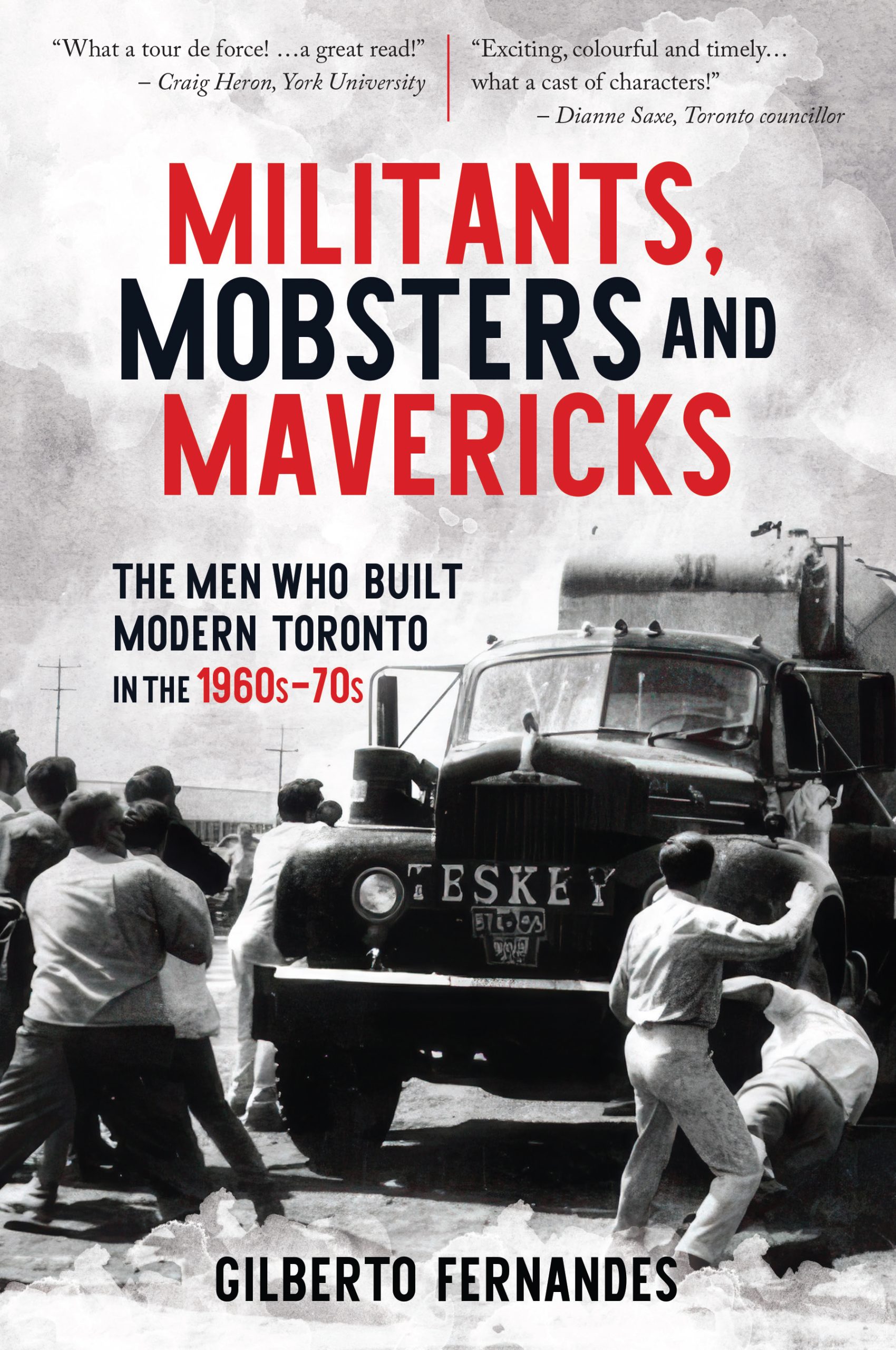
From: Militants, Mobsters and Mavericks
$1.20
This chapter examines Toronto’s explosive postwar transformation from the late 1940s through the mid-1960s, when a million new residents reshaped the city. The narrative traces the housing boom, the creation of Metropolitan Toronto in 1954, the highway system that enabled suburban sprawl, and the rise of shopping plazas. It also follows the construction industry’s growth, the building of Canada’s first subway, and the shift toward high-rise apartment complexes, revealing how a war-torn city became a modern metropolis.
Contributors
Gilberto Fernandes
Gilberto Fernandes is a visiting scholar and instructor in the Department of History at York University. He is the author of several academic publications on the history of the Portuguese diaspora in North America, and Ontario's construction industry and building trade unions. He is an award-winning public historian with several credits, including documentaries, exhibitions, community archives, websites, podcasts, walking tours, and theatre. Among these are the award-winning project City Builders: A History of Immigrant Construction Workers in Postwar Toronto, as well as the Laborem Ex Machina: A History of Construction Machinery and Operating Engineers in Canada.